After an accident, the people involved may have very different accounts of what happened. Each driver may blame the other. Meanwhile, an insurance company may question the injured person’s version of events. Eyewitness testimony in accident cases can provide an independent perspective that helps clarify disputed facts.
However, simply knowing that someone witnessed the accident is not always enough. The witness must be located, interviewed, and evaluated before important details fade. Therefore, accident victims should identify possible witnesses as soon as they safely can.
What Is Eyewitness Testimony in Accident Cases?
Eyewitness testimony is information provided by someone who personally saw or heard an accident occur. For example, a witness may have watched a driver run a red light. Another person may have seen a vehicle speeding moments before a collision.
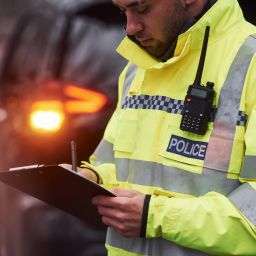
Witnesses can include pedestrians, nearby drivers, passengers, employees, residents, or customers at surrounding businesses. Additionally, someone may have observed relevant events immediately before or after the accident.
A witness does not need to see every second of an incident to provide useful information. Even one detail may support another piece of evidence or challenge an inaccurate statement.
How Eyewitnesses Help Establish Fault
Determining fault is often one of the most contested parts of an accident claim. Insurance companies may compare driver statements, police reports, photographs, vehicle damage, and available video recordings.
Eyewitness testimony in accident cases can add valuable context to that evidence. A witness may describe:
- Which vehicle entered an intersection first
- Whether a driver ignored a traffic signal
- How quickly a vehicle appeared to be traveling
- Whether someone was using a phone while driving
- Whether road conditions affected the collision
- What the involved parties said after the accident
Because independent witnesses usually have no financial interest in the claim, their observations may carry significant weight. Nevertheless, every statement must still be reviewed carefully.
Why Independent Witnesses May Be Persuasive
The injured person and the at-fault party both have a personal connection to the outcome. Therefore, insurers may examine their statements closely and look for inconsistencies.
A neutral eyewitness may provide a less personally involved account. For instance, a nearby pedestrian may have no relationship with either driver. That independence can make the witness’s description especially useful during insurance negotiations.
However, no witness is automatically considered reliable. Their location, attention, visibility, memory, and ability to describe events may all affect credibility. An attorney can compare the testimony with physical evidence and other available information.
What Makes an Eyewitness Credible?
Credibility involves more than appearing confident. A believable witness should provide observations based on what they personally saw or heard.
Several factors may affect how testimony is evaluated, including:
- The witness’s position at the accident scene
- Lighting, weather, and visibility
- The amount of time available to observe the event
- Distractions that may have affected attention
- Consistency between earlier and later statements
- Whether the account matches photographs or video
- Any personal connection to the involved parties
Minor differences do not always make a witness unreliable. Accidents happen quickly, and people may remember different details. Still, major contradictions can weaken the usefulness of a statement.
Why Witness Information Should Be Collected Quickly
Memories can become less precise as time passes. Moreover, witnesses may change phone numbers, relocate, or become difficult to locate.
After receiving necessary medical attention, accident victims should preserve witness information whenever possible. Useful details may include the person’s full name, phone number, email address, and a brief description of what they observed.
However, injured individuals should avoid pressuring witnesses or suggesting what they should say. Instead, the goal should be to preserve accurate contact information. An attorney can then conduct a more detailed interview.
Can Witness Testimony Help Without Going to Trial?
Many personal injury cases resolve through settlement rather than trial. Even so, witness testimony can influence negotiations long before a courtroom becomes involved.
A clear witness statement may discourage an insurance company from continuing to dispute fault. Furthermore, it can support a demand for compensation when combined with medical records, photographs, police documentation, and expert analysis.
In some cases, an attorney may obtain a written or recorded statement. In others, the witness may provide testimony during a deposition. The appropriate approach depends on the facts and legal strategy involved.
What Happens When Witnesses Disagree?
Two witnesses can observe the same accident and remember it differently. One person may focus on a traffic signal, while another notices a vehicle’s movement.
When accounts conflict, attorneys examine the circumstances surrounding each observation. They may compare statements with surveillance footage, skid marks, impact locations, electronic vehicle data, and other evidence.
Therefore, an inconsistent witness account does not necessarily end a claim. Instead, it becomes one part of a larger investigation.
Other Evidence That May Support Eyewitness Testimony
Strong accident cases rarely depend on only one type of proof. Eyewitness testimony becomes more persuasive when other evidence supports it.
Relevant evidence may include:
- Accident-scene photographs
- Dashcam or surveillance footage
- Police reports
- Vehicle damage
- Medical records
- Phone records
- Roadway measurements
- Expert reconstruction findings
Together, these materials can create a clearer explanation of how the accident occurred and who may be responsible.
How a Personal Injury Attorney Can Help
An experienced personal injury attorney can identify potential witnesses and preserve their testimony. Additionally, the attorney can examine whether each account supports the physical evidence.
Insurance adjusters may attempt to minimize useful testimony or focus heavily on small inconsistencies. Therefore, legal representation can help present witness information within the complete context of the accident.
Mortlock Law Group represents clients in serious personal injury and wrongful death cases. The firm assists injured individuals and families throughout North County San Diego, including Carlsbad, Oceanside, Encinitas, San Marcos, Escondido, and surrounding communities.
Protect Important Evidence After an Accident
Eyewitness testimony in accident cases can help establish fault, resolve conflicting stories, and strengthen insurance negotiations. However, witness information can become harder to obtain as time passes.
Mortlock Law Group can review the circumstances of your accident, evaluate available evidence, and help determine the next steps for your claim. Contact us today to schedule a free consultation and discuss how the firm can help protect your legal rights.